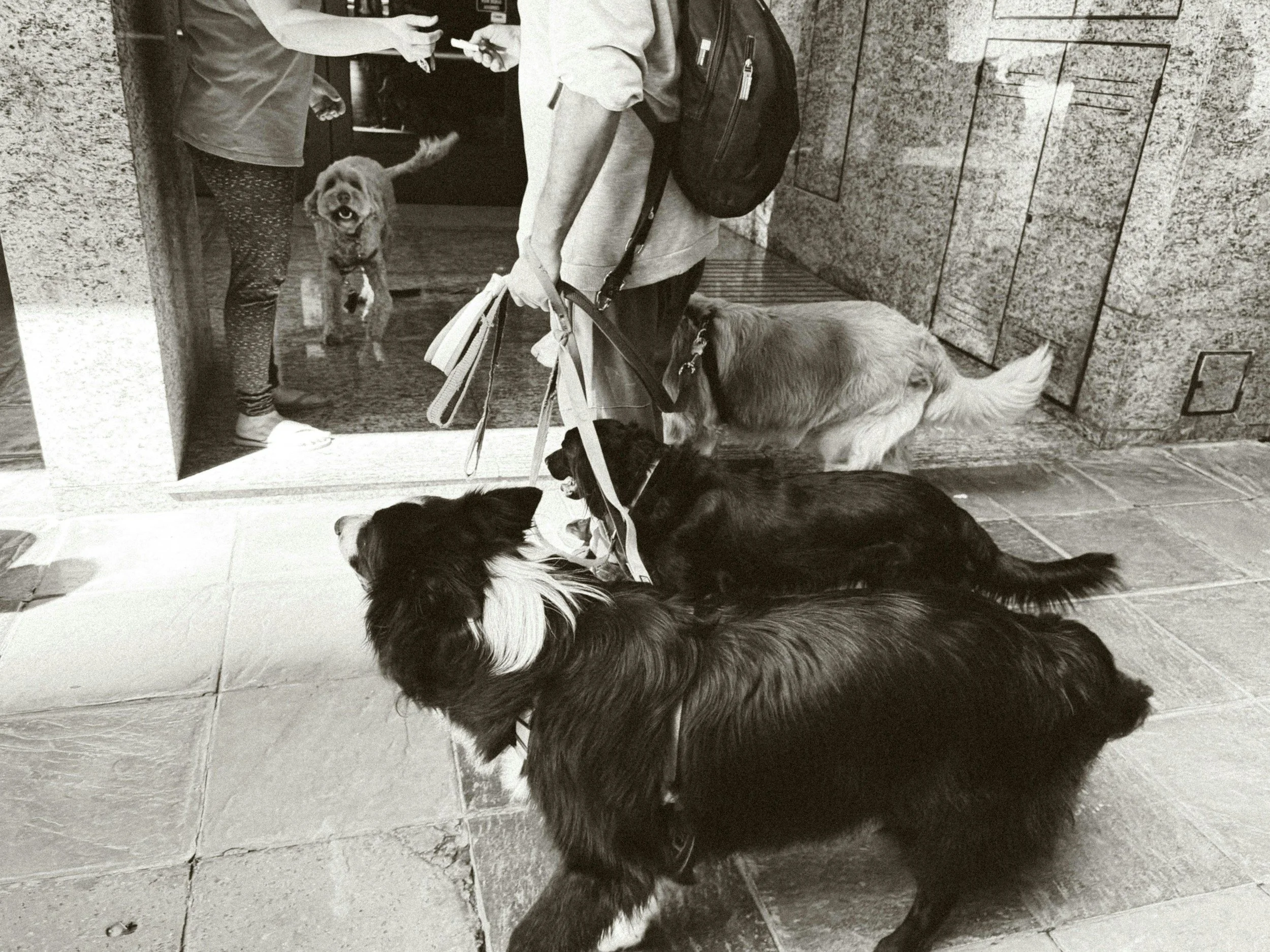
How Pack Walks Build Calm Confidence in Reactive Dogs
For many pet parents in Cobourg, managing a reactive dog can feel overwhelming. Whether it's lunging at other dogs, barking at strangers, or pulling on the leash during walks, reactivity makes outings stressful. Dunly’s offers a solution through its pack walk for reactive dogs Cobourg program—a structured, trainer-led environment that helps dogs gain confidence, reduce reactivity, and learn better coping skills.
Understanding Reactivity in Dogs
What Is Reactivity?
Reactivity is an overblown emotional response to stimuli that a dog finds threatening or frustrating. This can include barking, lunging, or whining in response to specific triggers.
Common Triggers: People, Dogs, Bikes
Dogs may react to:
Other dogs (even at a distance)
Strangers
Joggers, cyclists, or loud vehicles
Fear vs. Frustration Reactivity
Some dogs react out of fear ("I'm scared, stay away") while others react out of frustration ("I want to get to that dog, but I can't"). Our trainers assess this during the Day Train Evaluation to customize the approach.
How Pack Walks Help Reactive Dogs
Structured Environment for Exposure
Pack walks create a controlled exposure setting. Dogs are walked with regulated distance between them, and reactivity triggers are managed intentionally. This controlled setup is far superior to unpredictable public walks.
Modeling Calm Behaviour
Reactive dogs observe calm dogs who model ideal walking behaviour. Over time, reactive dogs begin to mirror this energy, decreasing their outbursts.
Regulated Proximity to Triggers
Trainers manage how close reactive dogs get to their triggers. Distance is adjusted to keep the dog under threshold and encourage focus, using techniques from our Private Reactivity Programs.
Why Dunly’s Pack Walks Are Safe for Reactive Dogs
Pre-Walk Temperament Assessment
Before any reactive dog joins a pack walk, they must complete ours Day Train Package. This includes:
Temperament screening
Leash reactivity evaluation
Confidence level assessment
Limited Pack Sizes
Each group includes a maximum of 4-6 dogs, ensuring every handler can maintain attention and distance. This is especially critical for dogs that need space.
Trainer-Led Redirect Techniques
Certified trainers at Dunly’s are skilled in:
Reading early reactivity signs
Pre-empting escalations
Using leash pressure, verbal cues, and redirection strategies
These are reinforced in other programs such as Walk & Train and Private Coaching.
The Power of Observation in Pack Walks
Learning Through Watching
Reactive dogs don’t just learn by doing; they learn by watching other dogs behave calmly. This social modelling is invaluable.
Emotional Desensitization
When triggers (like passing another dog) are managed at a distance in a structured setting, dogs become desensitized. Over time, their emotional reactions decrease.
Mimicking Calm Dogs
With repeated exposure, dogs naturally begin to mirror the calm energy of the pack—an effect that casual walks with untrained handlers simply don’t provide.
Case Studies: Reactive Dogs in Cobourg
Case 1: Dog with Dog Aggression
"Bella," a 3-year-old German Shepherd, displayed leash-based aggression toward other dogs. After her Day Train evaluation, she joined small pack walks with carefully chosen dogs. Over 8 weeks, she went from lunging to calmly walking within 10 feet of the group.
Case 2: Overstimulated Leash Puller
"Milo," a young Labrador, became overstimulated by movement and sound. Pack walks helped reduce his arousal by reinforcing a calm pace and emotional balance. He later graduated to our Board & Train Program for advanced work.
Measurable Improvements Over Time
Owners consistently report:
Reduced leash pulling
Fewer outbursts on walks
Increased focus and eye contact
More calm behaviour at home
Integrating Other Services with Pack Walks
Private Coaching for Reactivity
Our Private Sessions offer one-on-one coaching to build leash handling skills and reduce household triggers. These are ideal before or alongside pack walks.
Walk & Train Hybrid Options
For owners with busy schedules, our Walk & Train service allows your dog to practice leash skills in real-world scenarios under trainer supervision.
Follow-Up Support & Homework
Every pack walk includes post-walk feedback and actionable homework to help owners reinforce calm behaviour at home. Learn more on our Services Page.
Signs Your Reactive Dog Is Ready
Threshold Assessment
Is your dog able to:
Walk past another dog at 20+ ft without lunging?
Respond to their name on a walk?
Focus on treats or handler while in motion?
If yes, they may be ready for an intro-level pack walk after completing our Day Train.
Handler Readiness
Owners play a key role. Your consistency, calm demeanor, and follow-through on feedback can make or break your dog’s success.
Pre-Training Requirements
Dogs must have:
Basic leash skills
No history of biting other dogs
Passed our intake screening
Unsure if your dog is eligible? Contact us via our Contact Page.
How Long Until Results Show?
Timeline of Progress
Results depend on the dog, but most owners notice improvement within 3-6 structured walks. Consistency is key.
Owner Engagement Importance
Dogs improve fastest when owners:
Reinforce training at home
Use recommended tools
Practice leash handling between sessions
Milestones to Watch For
First calm walk without barking
Increased time walking near others
Less pulling and increased attention
Pack walks help dogs build emotional resilience and behaviour regulation, especially when combined with training services.
Final Thoughts
If you’re struggling with leash reactivity, know that change is possible. Dunly’s structured pack walk for reactive dogs Cobourg is a proven way to help anxious or overstimulated dogs build calm, confident behavior.
Visit our Services page to explore more.
Frequently Asked Questions
1. How do I know if my dog is too reactive for a pack walk?
All dogs must pass a Day Train Evaluation before being approved. If your dog can walk at a distance from other dogs without major outbursts and respond to basic cues, they may be a candidate. If not, we recommend starting with Private Coaching.
2. Are the pack walks safe for dogs with a history of lunging?
Yes. Dogs who have a history of lunging, but no bite history are often accepted after temperament screening. Our certified trainers manage distances, use redirection, and never force exposure.
3. Can pack walks replace individual training for reactivity?
Pack walks are a valuable tool but should be paired with private training if reactivity is severe. Many clients do both for optimal results.
4. How long before I see a difference in my dog's behaviour?
Some dogs show improvement in as little as 2-3 walks. Most need 3-6 consistent sessions to see noticeable reductions in leash reactivity and overall calmness.
5. What if my dog has a bad day during a walk?
If a dog regresses or becomes overstimulated, trainers adjust the pace, distance, or remove them from the group. Owners receive a full behaviour report and recommendations.
6. Is there a minimum age for reactive dogs to join?
We typically accept dogs 6 months and older, depending on maturity and leash experience. Puppies are considered on a case-by-case basis.